
Violin
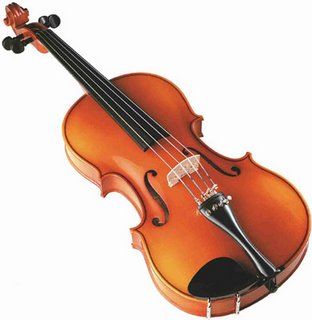
Description
The violin arrived from Europe but was quickly welcomed into Indian music because it can sing. In Hindustani performance, raag and taal remain the organizing principles, and the violin’s fretless fingerboard makes it capable of the same slides and subtle pitch shades that define classical melody. It sits comfortably in both serious raag elaboration and lighter forms because it can sustain notes and color them with bow pressure and speed.
It is built from carved tonewoods with a hollow resonant body, a bridge and soundpost that transmit vibration, and four strings stretched across a smooth fingerboard. Indian setups often favor stability for long meends and clean response. The player bows with the right hand and stops the strings with the left, shaping continuous glides and ornaments that feel close to vocal phrasing. It can be a solo instrument or an accompanist, and what makes it special is the combination of sustained bow tone and fretless control, which allows expressive detail that fretted instruments struggle to match.